

Pawnshop Potential: How to Use Collectibles as Leverage for Quick Cash

Shelves filled with antique books, collectibles, and valuables—treasures that can serve as powerful collateral in modern pawnshops, unlocking liquidity without parting with prized possessions.
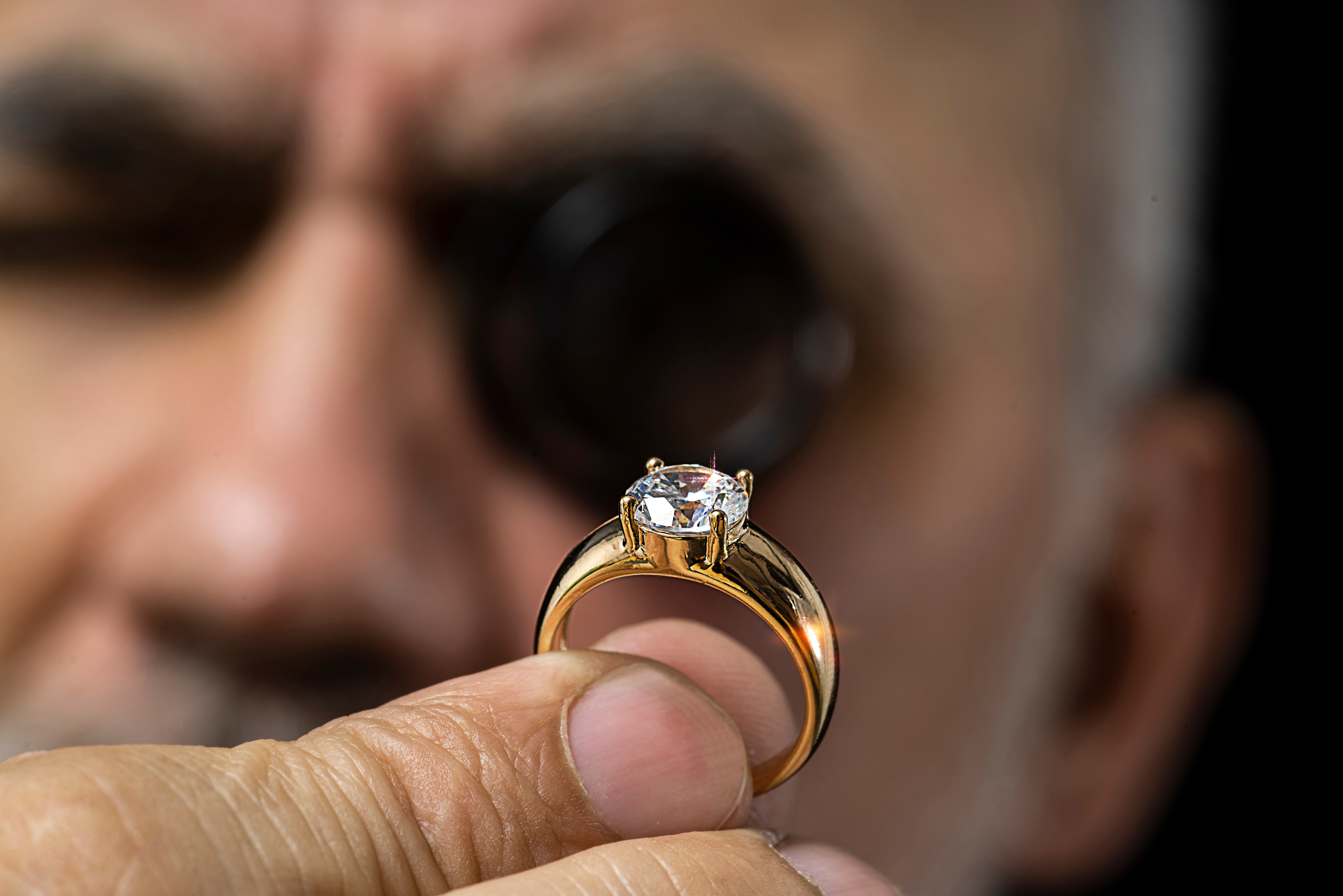
An expert appraises a diamond ring, showcasing how jewelry remains one of the most reliable assets for unlocking quick liquidity through pawnshops.

An expert appraiser carefully examines a collectible artifact under magnification, highlighting the precision and expertise that pawnshops now bring to valuing high-value items. For collectors, such detailed evaluations open the door to unlocking liquidit
Pawnshops now let collectors unlock liquidity with jewelry, metals, weapons, and art—without selling prized possessions outright.
Pawnshops, once seen as a last resort, are now becoming strategic financial tools for collectors and investors. They allow individuals to use valuables as collateral for short-term loans, providing liquidity without requiring a full sale.
“Pawnshops are evolving,” says Avi-Meir Zaslavsky, founder of 999Precious. “Today, they’re not just about quick deals in desperate times. They’ve become part of a larger ecosystem where collectors and investors can leverage their assets intelligently.”
In the past, pawnshops carried a stigma of desperation. But in 2025, they’ve transformed into accessible financial service providers. Many modern pawnshops offer appraisal experts, discreet transactions, and even specialized services for high-value items such as luxury watches, diamonds, and fine art.
“Collectors should view pawnshops as a liquidity bridge,” explains Zaslavsky. “You’re not losing your item—you’re temporarily leveraging it to solve a financial need.”
This shift reflects broader financial trends. With rising interest in alternative assets and economic uncertainty, individuals are increasingly turning to collectibles as tangible wealth stores. Pawnshops offer a way to tap into this stored wealth without permanent loss.
Not all items are equal when it comes to pawnshop loans. The best candidates are objects that retain recognized market value and can be easily appraised.
Top pawnshop-ready collectibles include:
- Jewelry & Precious Metals: Gold, silver, platinum, and diamonds are the most liquid assets.
- Luxury Watches: Brands like Rolex, Patek Philippe, and Audemars Piguet hold significant resale value.
- Antique Weapons: Rare swords, firearms, and armor often fetch strong appraisals.
- Fine Art & Paintings: Works by recognized artists serve as valuable collateral.
- Designer Accessories: High-end handbags or limited-edition pieces are increasingly accepted.
“The most attractive items are those that combine intrinsic value with market demand,” Zaslavsky emphasizes. “Pawnshops want assets they can resell quickly if needed, but their goal is to return the item once the loan is repaid.”
The Advantages of Using Pawnshops:
1. Speed of Transaction – Unlike banks, pawnshops can provide cash in hours, not weeks.
2. No Credit Checks – Loans are based on collateral value, not credit history.
3. Flexibility – Loan terms can be short or extended, depending on the pawnshop.
4. Confidentiality – Transactions are discreet, appealing to collectors who value privacy.
5. Temporary Solution – Unlike selling, pawning allows individuals to reclaim their treasured items.
“Pawnshops offer a unique blend of speed and security,” says Zaslavsky. “For collectors, it’s about accessing liquidity without severing ties to objects of personal or historical importance.”
Of course, pawning is not without its risks. High interest rates, strict repayment schedules, and undervaluation are common pitfalls. Collectors must carefully evaluate terms before entering an agreement.
Zaslavsky cautions: “You must treat pawnshops as business partners, not saviors. Read the fine print, understand the interest structure, and always get a fair appraisal. A poorly structured deal can cost you dearly.”
Experts advise shopping around, comparing multiple pawnshops, and asking for transparent fee breakdowns before committing to any loan.
Jewelry remains one of the most common assets pawned worldwide. Gold rings, diamond necklaces, and platinum bracelets can unlock significant cash quickly. Because these items carry both intrinsic material value and craftsmanship, they are reliable collateral.
“Gold is universally recognized,” notes Zaslavsky. “It’s the ultimate collateral because its value is easily verified and accepted globally.”
For collectors of precious metals, pawnshops provide an alternative to selling bullion on the open market. A temporary pledge allows them to access liquidity while retaining long-term ownership.
Less common, but increasingly accepted, are items like antique swords, firearms, and fine art. These require specialized appraisal and authentication, but their rarity can command significant loan amounts.
“Antique weapons and art pieces often hold stories that extend beyond money,” says Zaslavsky. “Pawnshops that understand their historical context can offer fairer valuations. Collectors must work with shops that have genuine expertise in these areas.”
To maximize pawnshop potential, Zaslavsky outlines several strategies:
1. Know Your Item’s Market Value – Research recent auction sales and market trends.
2. Bring Documentation – Certificates, receipts, and provenance records increase valuation.
3. Negotiate Terms – Don’t be afraid to ask for better interest rates or repayment schedules.
4. Choose Reputable Pawnshops – Look for established shops with experience in high-value items.
5. Plan for Repayment – Treat pawning as a temporary bridge, not a permanent solution.
“Knowledge is power,” stresses Zaslavsky. “The more you know about your item’s worth, the less leverage the pawnshop has over you. Collectors who prepare walk away with the best deals.”
With global markets fluctuating, pawnshops are increasingly seen as alternative financial institutions. For entrepreneurs, they can unlock capital for short-term business needs. For families, they provide a safety net during emergencies. For collectors, they are a way to preserve collections while meeting liquidity needs.
“Pawnshops are adapting to modern needs,” explains Zaslavsky. “They’re no longer just places for fast cash—they’re part of a broader financial toolkit that allows people to leverage their collectibles intelligently.”
As interest in collectibles continues to grow, the role of pawnshops is likely to expand. Digital platforms are emerging that allow online pawning of high-value items, combining convenience with global reach. The future may see pawnshops become more transparent, specialized, and collector-friendly than ever before.
Zaslavsky concludes: “Collectibles are more than possessions—they’re assets. Learning how to use them wisely, whether through pawning, trading, or holding, is part of modern wealth management. The key is balance: leverage what you need, protect what you treasure.”
Pawnshops, once overlooked, are stepping into the spotlight as valuable allies for collectors and investors. By offering liquidity without requiring permanent sales, they allow individuals to use jewelry, precious metals, antique weapons, art, and other valuables as powerful financial tools.
For collectors, the message is clear: with careful strategy, pawnshops can unlock the hidden potential of collections—turning passion into practical financial leverage.
Avi-Meir Zaslavsky
999Precious
info@999Precious.com
Visit us on social media:
LinkedIn
Instagram
Facebook
X
Legal Disclaimer:
EIN Presswire provides this news content "as is" without warranty of any kind. We do not accept any responsibility or liability for the accuracy, content, images, videos, licenses, completeness, legality, or reliability of the information contained in this article. If you have any complaints or copyright issues related to this article, kindly contact the author above.
